
Steam control systems, pressure reducing valves and actuators
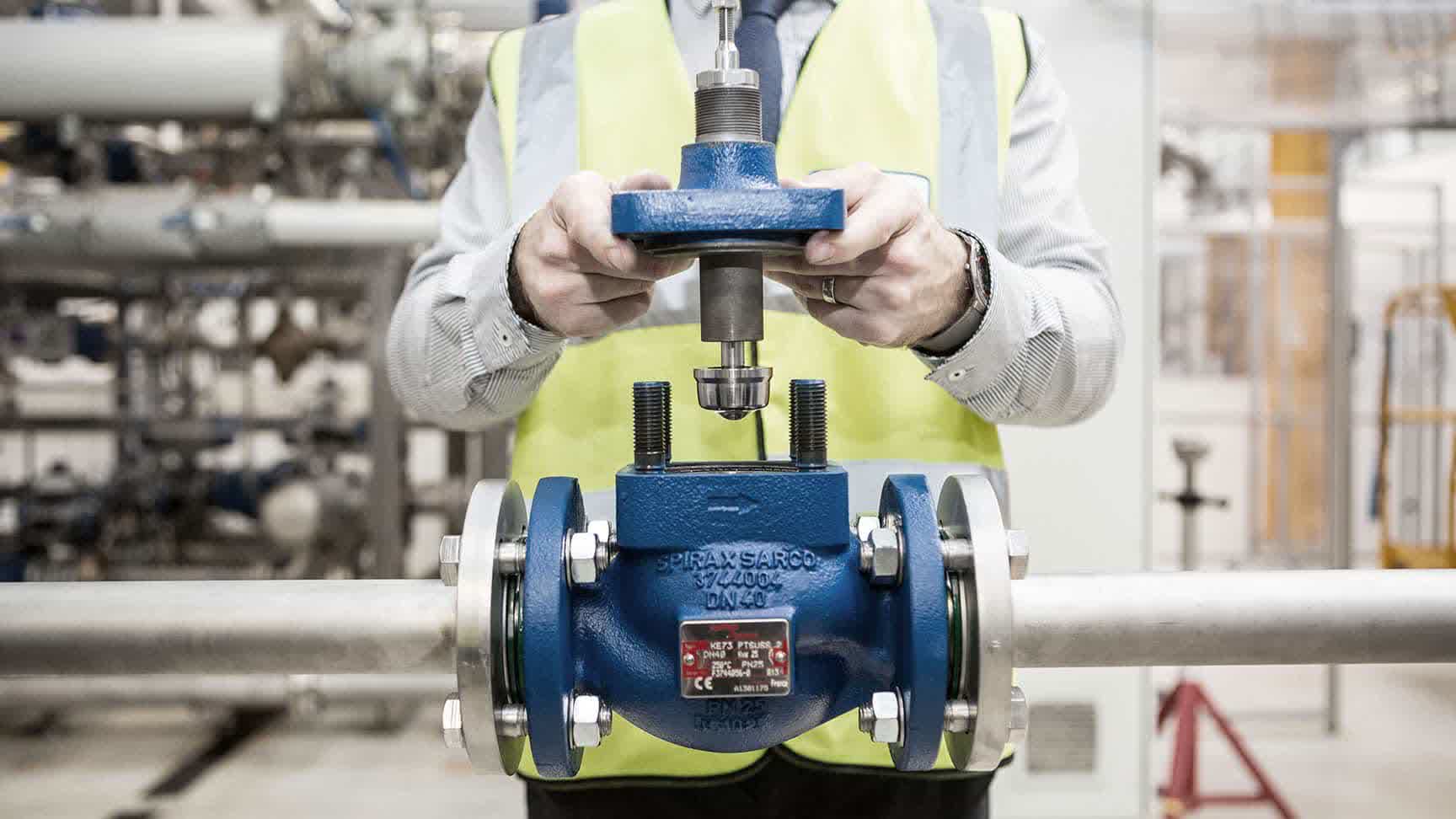
Spirax Sarco steam control systems bring together the valve, actuation and instrumentation layers needed to manage pressure, temperature and flow across steam and industrial fluid applications.
This category is the main route for buyers searching for steam control valves, pressure reducing valves, steam regulators, actuators, positioners, sensors and self-acting temperature controls in one connected product family.
Overview
A reliable control system does more than open and close a valve. It needs the right valve body, trim, actuator, sensing method and control logic for the operating condition, rangeability and maintenance expectations of the plant. Pressure reduction, temperature regulation, desuperheating and overpressure protection are closely linked in steam systems, so users often need to compare several control approaches before finalising the package. Self-acting solutions remain valuable where simplicity, hazardous-area suitability or independence from external power matters, while pneumatic and electric actuation support tighter modulation and wider system integration. Positioners, controllers and sensors improve repeatability by keeping actual valve movement aligned with the control signal, especially when differential pressure, friction or changing process load could otherwise reduce accuracy. Spirax Sarco control systems are therefore best selected as coordinated assemblies rather than isolated components, helping users build safer, more stable and more maintainable steam-system control architecture.
Control valves
Modular two-port and three-port control valves with pneumatic or electric actuation, smart positioners and trim options for noise, cavitation and demanding steam duties.
Desuperheaters
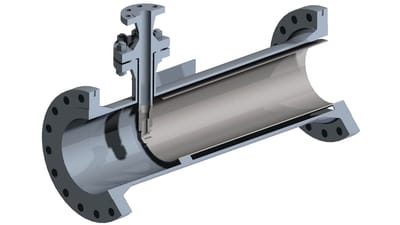
Complete desuperheaters and desuperheating systems with injector, venturi or steam-atomising options to control superheated steam outlet temperature accurately.
Electric actuators
Electric actuators add smart positioning, self-commissioning and lower routine air use for control valve packages that need accurate remote modulation.
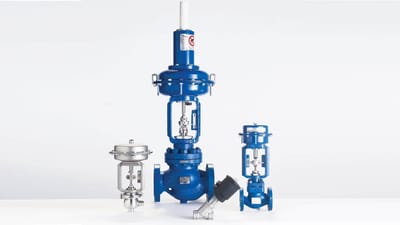
Pneumatic actuators
PN9000, PN5700/6700 and TN2000 pneumatic actuators provide linear output and air-powered modulation for different valve sizes and differential pressures.
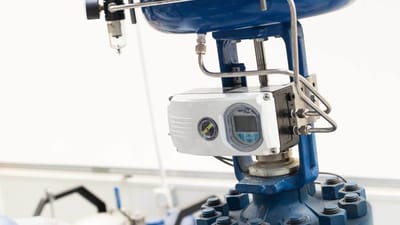
Positioners, controllers and sensors
Positioners, controllers and sensors help improve control accuracy by keeping the valve aligned with the control signal across changing load and pressure conditions.
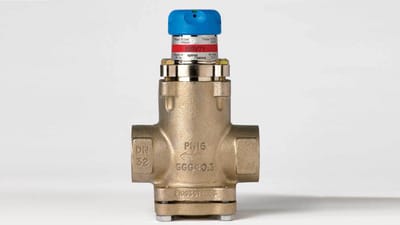
Pressure reducing valves and steam regulators
Pressure reducing valves and steam regulators lower downstream equipment cost, reduce flash steam and stabilise process pressure with self-acting or actuated solutions.
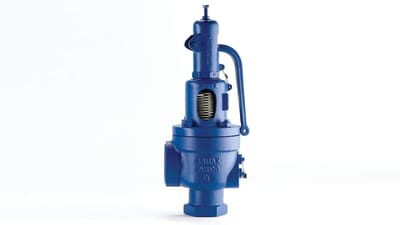
Safety valves
Safety valves provide the controlled relief path needed when malfunction, cooling failure, power loss or fire could drive pressure beyond safe operating limits.
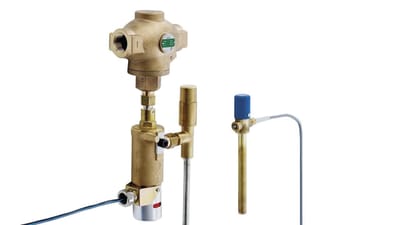
Self-acting temperature controls and regulators
Self-acting temperature controls regulate steam-heated processes without external power, helping maintain product quality while limiting steam flow once setpoint is reached.
How To Choose A Steam Control Route
Quick answer: A steam control system usually combines the control element, the actuation method, the sensing and signalling layer, and any supporting pressure-protection or steam-conditioning hardware needed for stable operation at the point of use.
In practical terms, pressure reducing valves solve point-of-use pressure control, actuated control valves solve signal-driven modulation, and self-acting controls solve simpler thermal duties where independence from external power matters.
| Control objective | Best-fit route | Choose it when | Not ideal when |
|---|---|---|---|
| Lower or stabilise downstream steam pressure | Pressure reducing valves and steam regulators | You need a dedicated pressure reducing station, want to protect lower-rated downstream equipment, or need stable process pressure close to the point of use. | The duty depends on a remote control signal, frequent modulation against changing load or tighter integrated loop control than a self-acting regulator normally provides. |
| Continuously modulate pressure, temperature or flow | Control valves with electric or pneumatic actuation | You need a packaged valve assembly that responds to changing process conditions, remote signals or wider automation architecture. | The application is a simple local duty where no external power, no instrument air and low commissioning complexity matter more than advanced modulation. |
| Maintain process temperature without external power | Self-acting temperature controls | You need dependable local thermal control on steam-heated plant, especially where simplicity, hazardous-area suitability or remote location matter. | You need remote setpoint changes, data feedback, plant-wide automation or a faster-response control strategy tied to changing process signals. |
| Add precise remote valve positioning without plant air | Electric actuators | Smart positioning, automatic commissioning, diagnostics visibility and reduced routine air use are important to the project. | The site already depends on instrument air or the wider control approach is built around pneumatic response and air-powered feedback. |
| Build an air-powered modulating valve package | Pneumatic actuators and positioners | Instrument air is already available, fast response matters, or the duty needs established pneumatic positioning against changing differential pressure. | You are trying to reduce routine air use, simplify commissioning around electric actuation or avoid dependence on plant air infrastructure. |
| Reduce superheated steam temperature before use | Desuperheaters | You need accurate outlet-temperature control on superheated steam before a downstream process, turbine bypass duty or temperature-sensitive application. | The real requirement is only pressure reduction or basic flow control without a superheated-steam temperature-management problem. |
Steam Control Systems FAQ
What does a steam control system include?
A steam control system normally includes the valve body or regulator, the actuation method where modulation is required, the sensing and control-signal layer, and any adjacent hardware needed to protect pressure, improve steam condition or stabilise repeatability.
When should you choose self-acting control instead of actuated control?
Self-acting control is often the better fit when the duty needs simple, reliable temperature control without external power, compressed air or more complex control architecture. Actuated control is usually the stronger route when the application needs tighter modulation, remote positioning, diagnostics visibility or integration with plant control systems.
When is a pressure reducing valve the right route?
A pressure reducing valve is the right route when the main requirement is to lower or stabilise downstream steam pressure close to the process. This is often part of a wider station decision that also involves strainers, separators, gauges and downstream overpressure protection.
How do electric and pneumatic actuators differ?
Electric actuators are often chosen for smart positioning, easier commissioning and lower routine air use, while pneumatic actuators are often preferred where instrument air already exists and the control architecture is built around air-powered response and positioner feedback.
Typical steam-control decision patterns
Pressure reducing stations and point-of-use steam supply
If the main decision starts with lowering boiler-house pressure to a more usable process pressure, begin with pressure reducing valves and then assess the wider station hardware around steam condition, pressure indication and downstream protection.
Signal-driven modulation on heat exchangers, vessels and process lines
If the duty depends on changing load, remote setpoints or repeatable control around a process variable, the valve package usually needs an actuated control valve supported by the right actuator, positioner and signal architecture.
Simple thermal duties where independence from utilities matters
If the site wants a dependable local temperature solution without instrument air or electrical power, self-acting temperature controls remain a strong route for steam-heated applications that do not need broader automation.
Continue from control hardware into the wider Spirax Sarco offer
Control systems are usually specified as part of a wider steam-system decision. The next step often depends on whether you are comparing adjacent hardware, service support or industry application fit.
Connect control systems with the wider steam plant
Return to the wider Spirax Sarco product range when the control package also depends on steam traps, strainers, flowmeters, clean steam or condensate recovery hardware.
Add engineering and lifecycle support
Move into service support when your control upgrade also involves commissioning, surveys, monitoring, optimisation or longer-term maintenance planning.
Choose control hardware by application context
Use industry pages if valve selection, pressure control strategy or instrumentation choice depends on hygiene, reliability, energy performance or sector-specific process demands.