
Compressed air products and drain traps
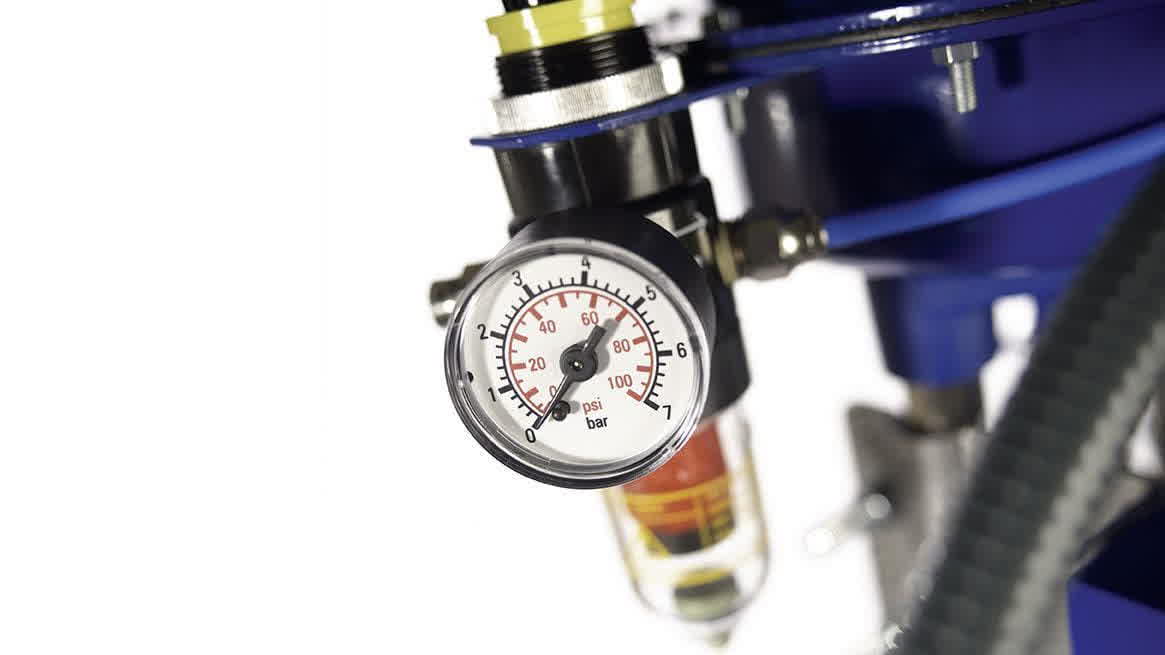
Spirax Sarco compressed air products on this route focus on keeping industrial compressed air and gas systems dry, reliable and easier to protect from condensate-related problems.
If you are searching for compressed air drain traps, liquid drain traps or air and gas drain traps, this page brings together the product path, selection context and adjacent routes needed to improve compressed air quality from the supply source to the point of use.
Benefits
Protect receivers, separators and downstream pneumatic equipment
Select trap performance to match pressure, load variation and installation point
Overview
What is a compressed air drain trap? In practice it is a liquid drain trap used to remove condensate from a pressurised gas system while helping prevent unnecessary gas loss. The most common duty is compressed air, where condensed water has to be discharged continuously to protect the distribution system and downstream pneumatic equipment. Why does this matter? Condensate is a routine consequence of compressed air generation and distribution. If water is allowed to accumulate in receivers, separators, risers, downfeeds or branch lines, it can reduce air quality, damage pneumatic equipment and create avoidable reliability issues across the plant. Where are compressed air drain traps typically installed? Common drainage points include compressed air receivers, separator drain points, air and gas main risers, air and gas main downfeeds and other low-point locations where liquid collects before reaching tools, actuators or process equipment. How do liquid drain traps work? The main float-operated designs respond automatically to changing load and pressure so liquid can be discharged continuously without backing up ahead of the trap. That is especially valuable where drainage demand varies through the day or across different process conditions. How should you choose a compressed air drain trap? Start with the variables that most affect performance: system pressure, differential pressure across the trap, expected condensate load, connection style, body material and whether return-line back-pressure or flashing could affect drainage. The broader Spirax Sarco liquid drain trap family includes ranges such as CA14, CA10S, CA46S and CAS14 or CAS14S, alongside compact vertical options for more specific duties. Across the wider family, construction options include cast iron, steel and stainless steel variants to suit different operating environments. Use the main drain trap route to compare compressed air drain trap options in more detail. Move into separators when the priority is upstream moisture removal, and use pressure reducing valves when compressed air performance also depends on stable local pressure at the point of use.
How to choose a compressed air drain trap
Compressed air drainage decisions are usually simpler when you start with the drainage point and operating condition rather than with product naming alone. The core question is where condensate is forming, how continuously it must be discharged and whether adjacent moisture separation or local pressure control also affects reliability at the point of use.
| Selection factor | Why it matters | Next route |
|---|---|---|
| Drainage point and condensate load | Receivers, separators, risers and downfeeds can behave differently depending on how much condensate accumulates and how often it must be discharged. | Browse drain traps and ancillaries |
| Upstream moisture removal | If the wider issue is wet compressed air rather than one drain point, separator choice may matter before trap choice. | Explore separators |
| Local pressure stability | Machine performance can depend on point-of-use pressure control as much as on condensate drainage. | Explore pressure reducing valves |
Continue your Spirax Sarco compressed air research
Compressed air hardware is usually selected within a wider reliability and process context. These paths help users move from individual drainage products into the broader Spirax Sarco product, service and application landscape.
Continue into the wider product range
Explore the wider Spirax Sarco product catalogue when compressed air drainage is only one part of a broader utility, steam or process equipment shortlist.
Connect product selection with services
Use service pages when compressed air performance improvement also depends on system assessment, maintenance planning or broader plant optimisation support.
Match compressed air hardware to application context
Go to industry pages when compressed air quality, hygiene, reliability or operating conditions depend on the sector and application environment.