


How can it help me?

Build a more disciplined maintenance routine

Support asset reliability targets

Why use a steam maintenance service?
Repairs and maintenance services help keep steam systems dependable when internal resources are stretched or specialist steam knowledge is needed on demand. Spirax Sarco supports users who want to reduce reactive work, improve asset condition visibility and keep critical steam equipment operating efficiently over time.
A planned maintenance approach is especially valuable where uptime matters, records are inconsistent or repeated faults are consuming engineering time. It turns scattered interventions into a more controlled reliability programme.
What preventive steam maintenance can include
Preventive maintenance for steam systems usually combines inspection, planned repair, performance review and documentation rather than relying only on reactive callouts after a failure occurs.
Typical scope can include steam trap condition checks, valve and control gear inspection, leak identification, record keeping, spares planning and targeted intervention on assets that show repeated degradation.
For sites with limited internal specialist capacity, the service gives maintenance teams access to steam-focused knowledge without needing to build every discipline in-house.
Why structured maintenance improves plant resilience
Steam systems create hidden cost when minor faults are allowed to accumulate. A failed trap, poor condensate drainage or unstable control valve can quietly increase fuel use, disrupt heat transfer and raise the likelihood of a larger outage later.
Regular maintenance improves the quality of operating records and makes it easier to see which assets are repeating faults, which parts of the plant deserve monitoring and where a repair should become a replacement or redesign decision.
The outcome is not only fewer breakdowns. It is also a more predictable maintenance workload, better use of shutdown windows and stronger confidence in day-to-day plant operation.
Related routes for maintenance planning
Maintenance results are strongest when repair response, inspection routines and condition visibility reinforce each other.
Connect maintenance with trap strategy
Move into steam trap routes when maintenance priorities depend on trap condition, replacement planning or condensate management performance.
Improve maintenance timing with live status data
Add connected monitoring when the maintenance model needs earlier warning of failure and better prioritisation across multiple assets.
Expand maintenance into a wider support plan
Review the full service portfolio when preventive maintenance needs to sit inside a wider optimisation or execution programme.
Related routes for reliability work

Combine maintenance with connected monitoring
Identify trap failures earlier and improve maintenance prioritisation across large installed steam trap populations.
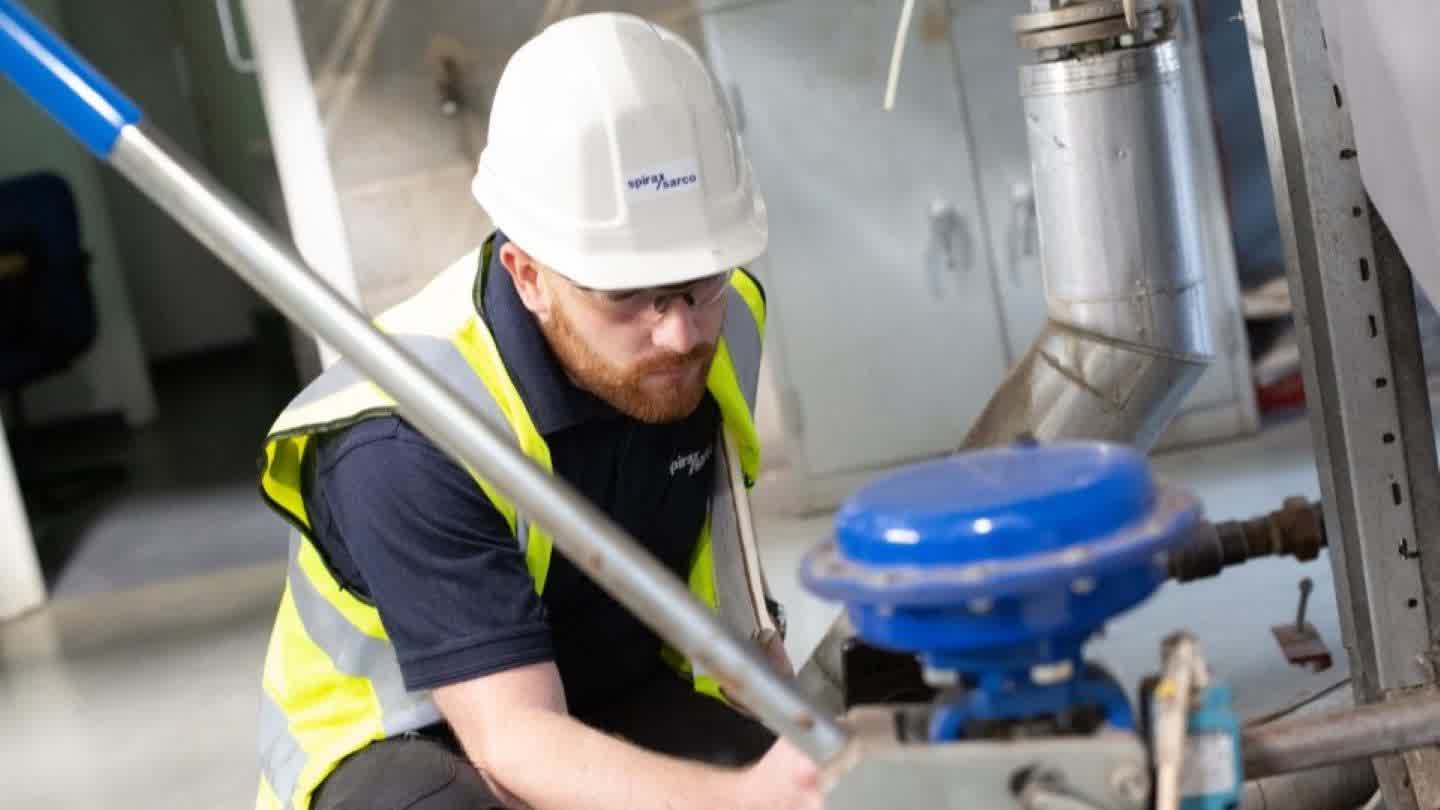
Start with a steam trap survey
Survey steam traps systematically when maintenance teams need a better baseline on trap condition, application fit and replacement demand.
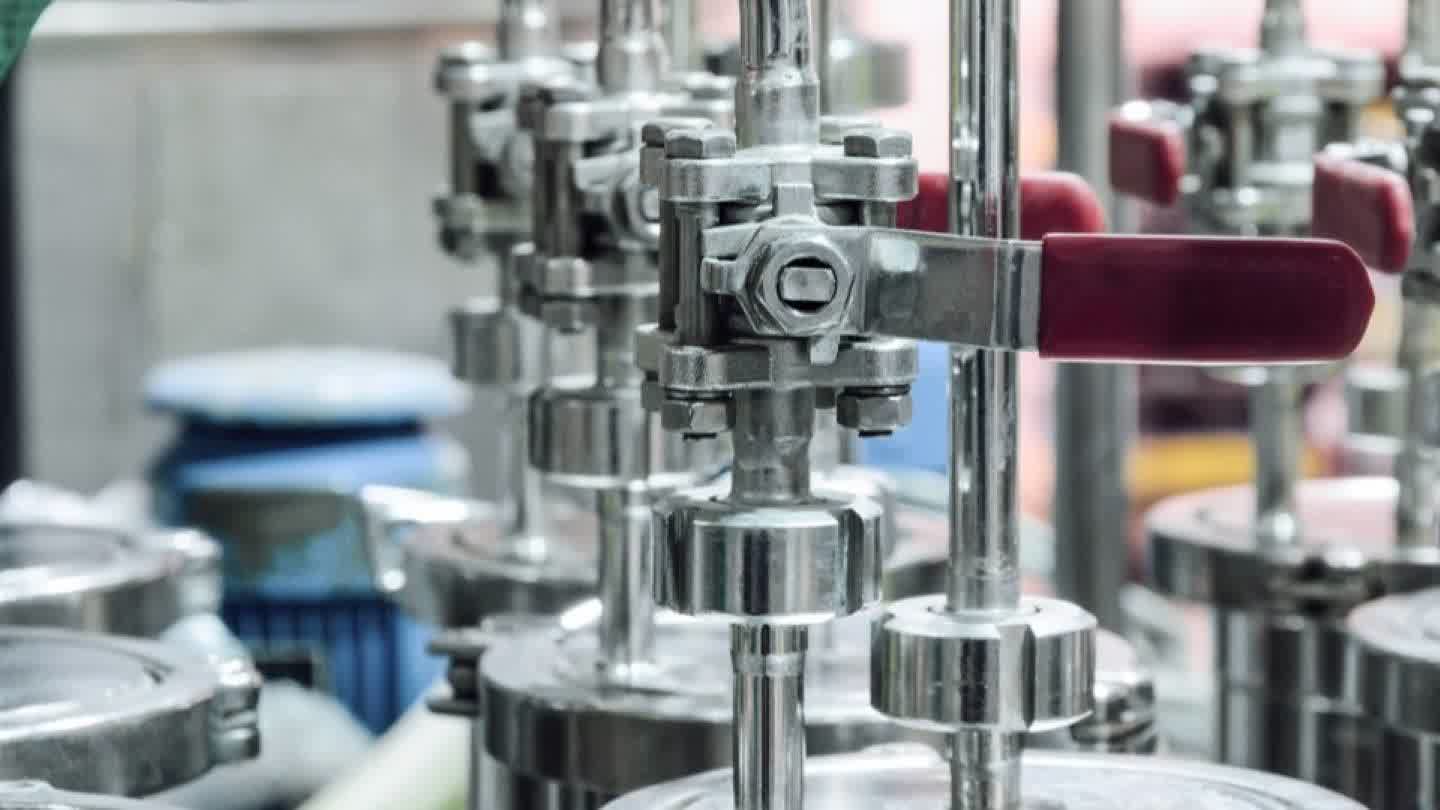
Support reliability improvement goals
Link maintenance planning to the wider goal of fewer outages, lower risk and more reliable system performance.