High-purity design focus
Pharmaceutical steam decisions often need to address material choice, drainability, validation expectations, system cleanliness and documentation support together.

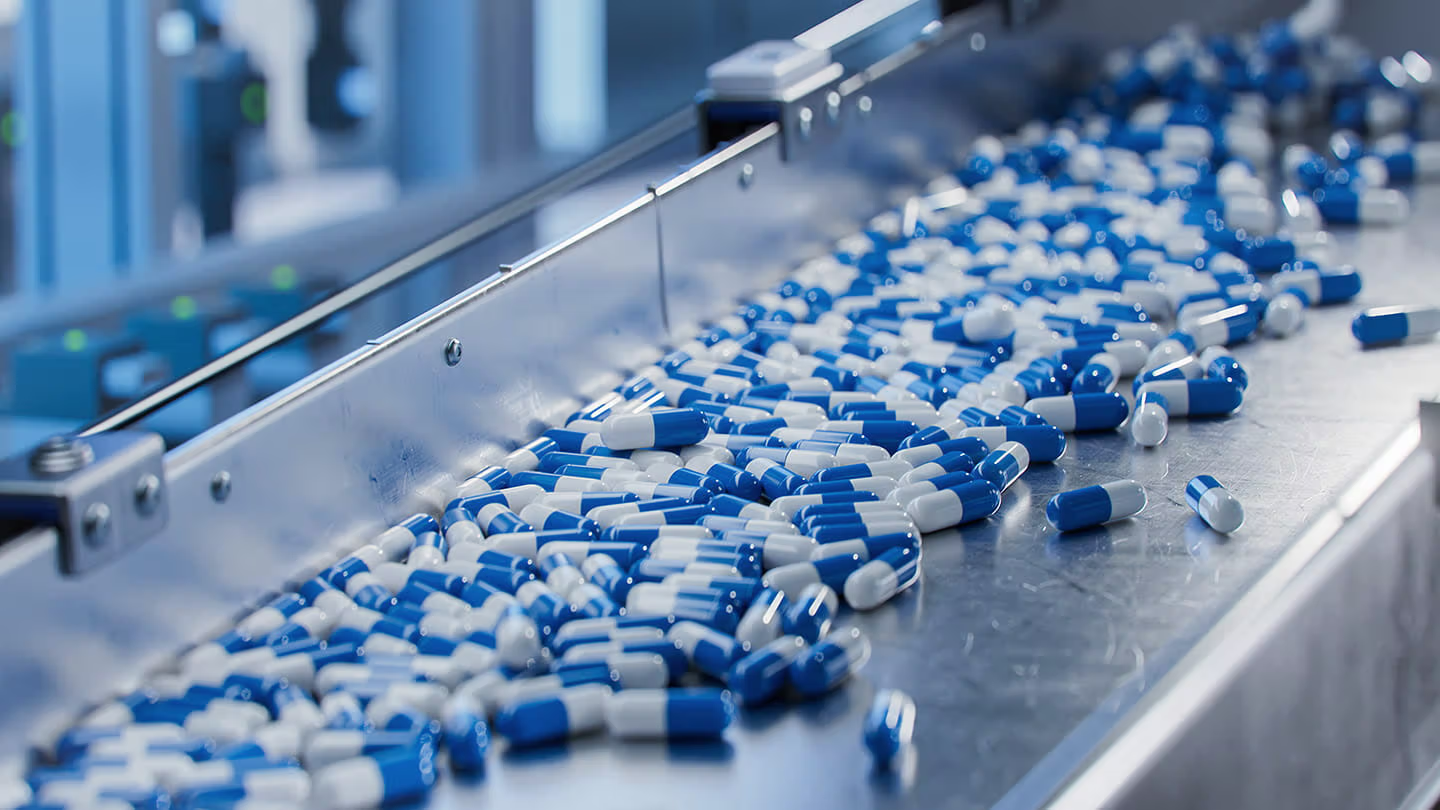
Answer first
Pharmaceutical steam systems have to protect product integrity while still being practical to control, drain, validate and maintain. Spirax Sarco helps turn those overlapping requirements into workable system, documentation and component decisions across both industrial steam and clean steam applications.
Pharmaceutical sites use steam in environments where product protection, system cleanliness and control stability all carry operational weight. A weak steam-system decision can create more than wasted energy; it can also increase validation effort, downtime and confidence risk around the process.
Spirax Sarco supports both industrial steam and clean steam applications across pharmaceutical manufacturing. The source material highlights support for steam quality management, audits, process distribution, hygienic applications, documentation and validation, so steam decisions can be aligned with both high-purity expectations and practical plant operation.

Pharmaceutical steam decisions often need to address material choice, drainability, validation expectations, system cleanliness and documentation support together.
This route helps teams decide where standard utility steam remains appropriate and where dedicated clean steam becomes the stronger option across duties such as CIP, SIP, direct steam injection and sterilisation.
The source material references validation and compliance support including EN 10204 3.1 documentation, FAT protocols, IQ/OQ records, technical drawings, SOPs and welding dossiers.
Use this route when the project is centring on clean steam generation, hygienic valves, sanitary traps or overpressure protection.
Explore clean steam productsSee how applied engineering improved steam quality and process efficiency at a working pharmaceutical site.
Read the pharmaceutical case studyFollow this route when compliance, sterility assurance or point-of-use steam condition needs to be confirmed by testing and reporting.
Explore steam quality testingPharmaceutical research often starts with compliance or steam-quality risk, then narrows into hygienic hardware and system support.
Start with the Spirax Sarco overview when you need broader context on the steam-specialist capability behind pharmaceutical and high-purity system support.
Move into product families when the project is becoming more specific around clean steam generation, sanitary valves, traps or filtration hardware.
Use services when the next step is testing, audits or wider project support tied to steam quality and system improvement.
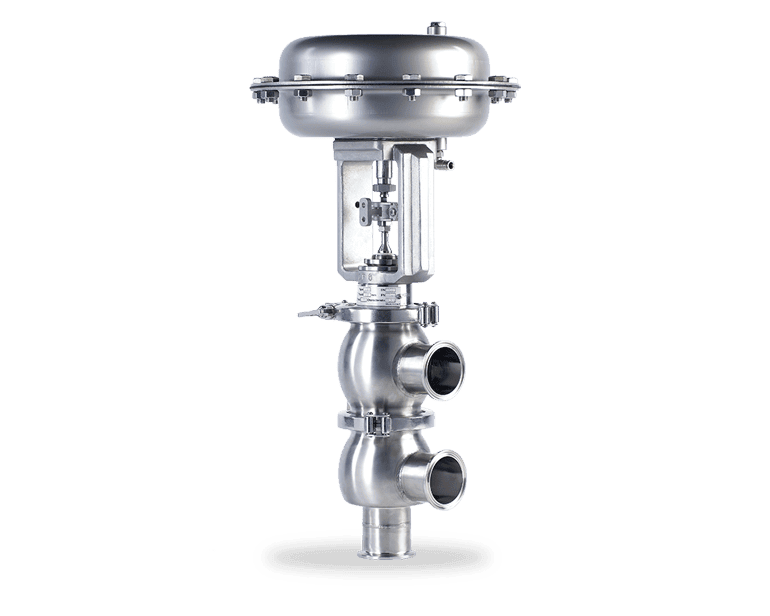
A clean-service control valve for pharmaceutical duties where modulation, hygienic design, drainability and high-integrity process control all have to be considered together.
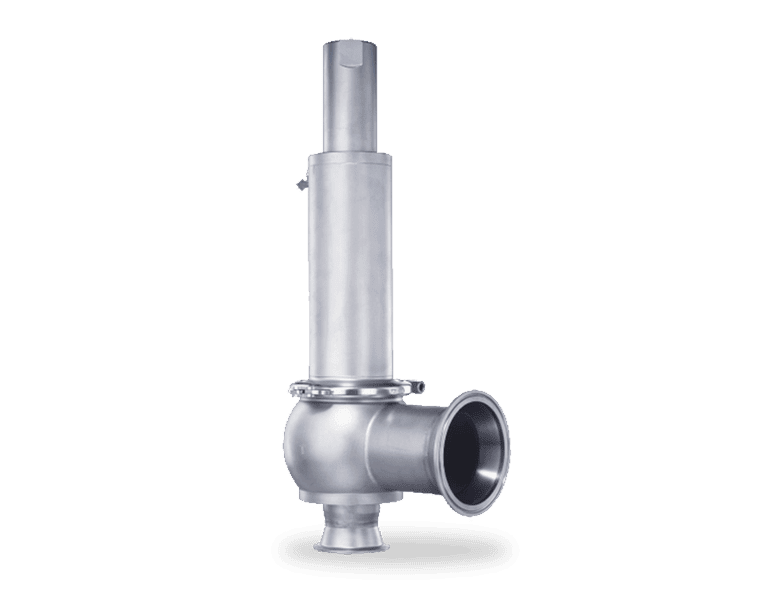
A stainless steel clean-service safety valve for hygienic overpressure protection on pure steam, clean steam and related high-integrity duties.
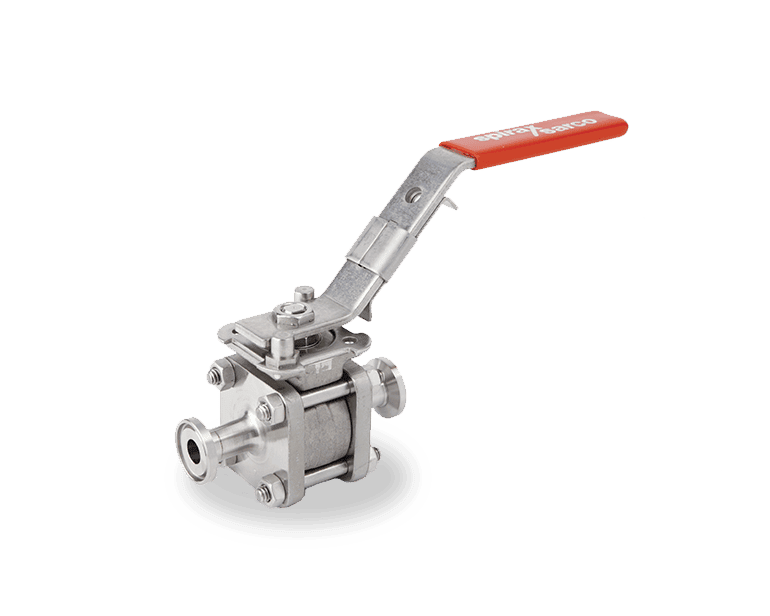
Sanitary ball valves for high-purity shut-off applications where hygienic flow paths and 316L construction are key requirements.
Pharmaceutical projects often need answers that connect compliance language with real component and system decisions.
The main priorities usually include deciding where clean steam is required, choosing hygienic control and isolation hardware, keeping drainage behaviour predictable and maintaining clear separation between general utility steam and higher-purity duties. The source material also points to applications such as CIP, SIP, direct steam injection and sterilisation of products, vessels and equipment.
Not always. Some duties can remain on correctly managed plant steam, while SIP, sterilisation and other high-purity applications may justify dedicated clean steam generation and sanitary downstream components.
Because pharmaceutical performance depends on how the system works as a whole. Material choice, controllability, drainability, documentation and validation requirements all influence whether a component choice will hold up in real operation. The source material specifically references validation and compliance records such as EN 10204 3.1 documentation, FAT protocols, IQ/OQ support and welding dossiers.
Not always. One of the source documents explicitly notes that condensate recovery is not always appropriate in pure process steam systems used in sterile manufacturing, because contamination risk can outweigh the energy benefit. That boundary matters when sustainability and purity requirements have to be balanced together.