Drying performance and utility design are linked
Steam-system behaviour directly affects how consistently paper and board machines can hit target output and quality across continuous drying duties.

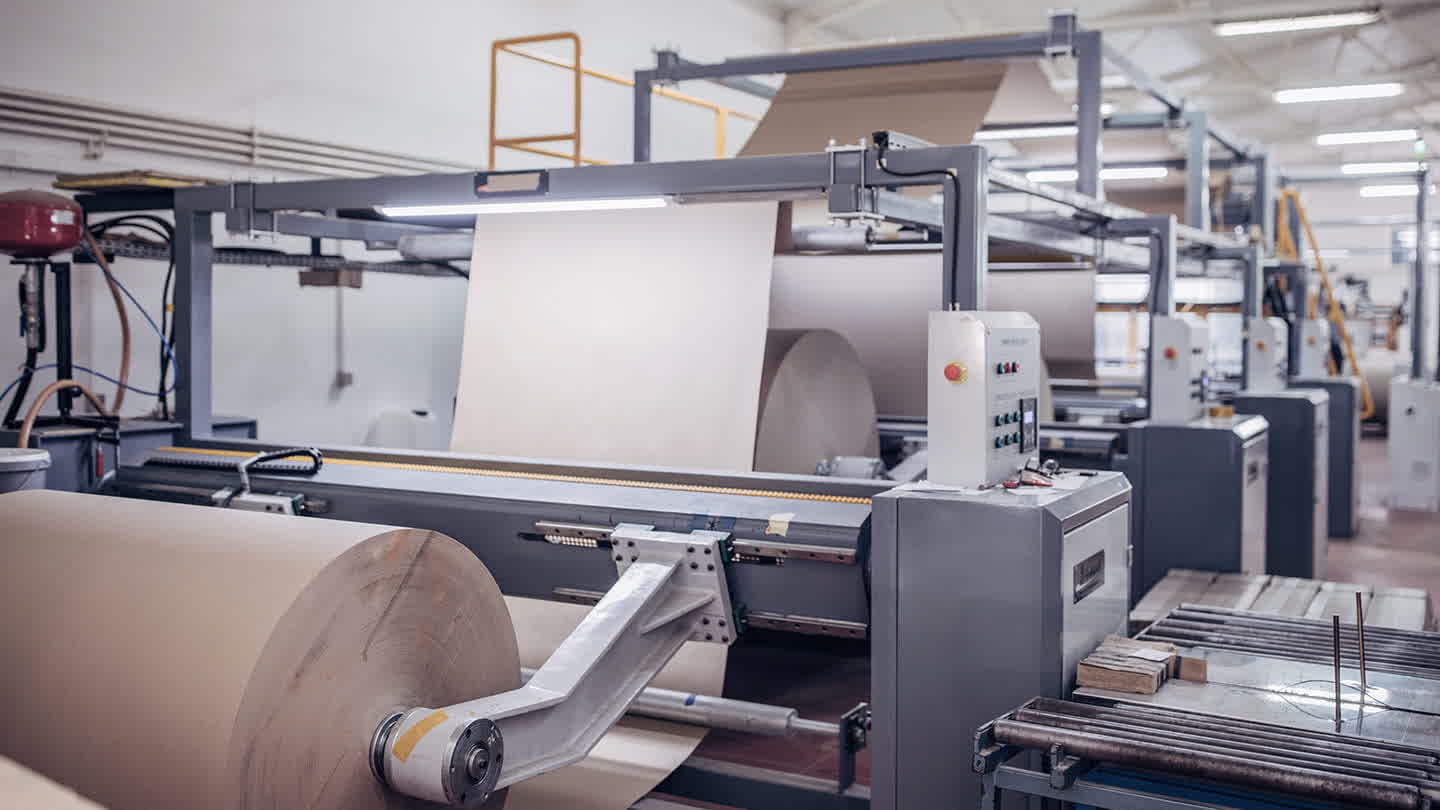
Answer first
Pulp and paper operations rely on steam systems that can dry, heat and stabilise production without introducing variability. Spirax Sarco helps improve the steam and condensate side of that picture so output, board quality and utility performance are easier to control together, especially where drying and heat recovery performance are linked.
Pulp, paper and board production depends on steam systems that can deliver heat evenly across large, continuous processes. When steam condition, pressure control or condensate removal drift out of line, the impact often shows up in machine response, drying uniformity and energy demand.
Spirax Sarco helps mills improve how steam is supplied, controlled and recovered around those duties. Related source material for board production highlights how steam quality, pressure control and condensate handling affect heated surfaces and hot plates, while flash recovery material shows why post-duty energy recovery can be just as important as heat delivery itself.
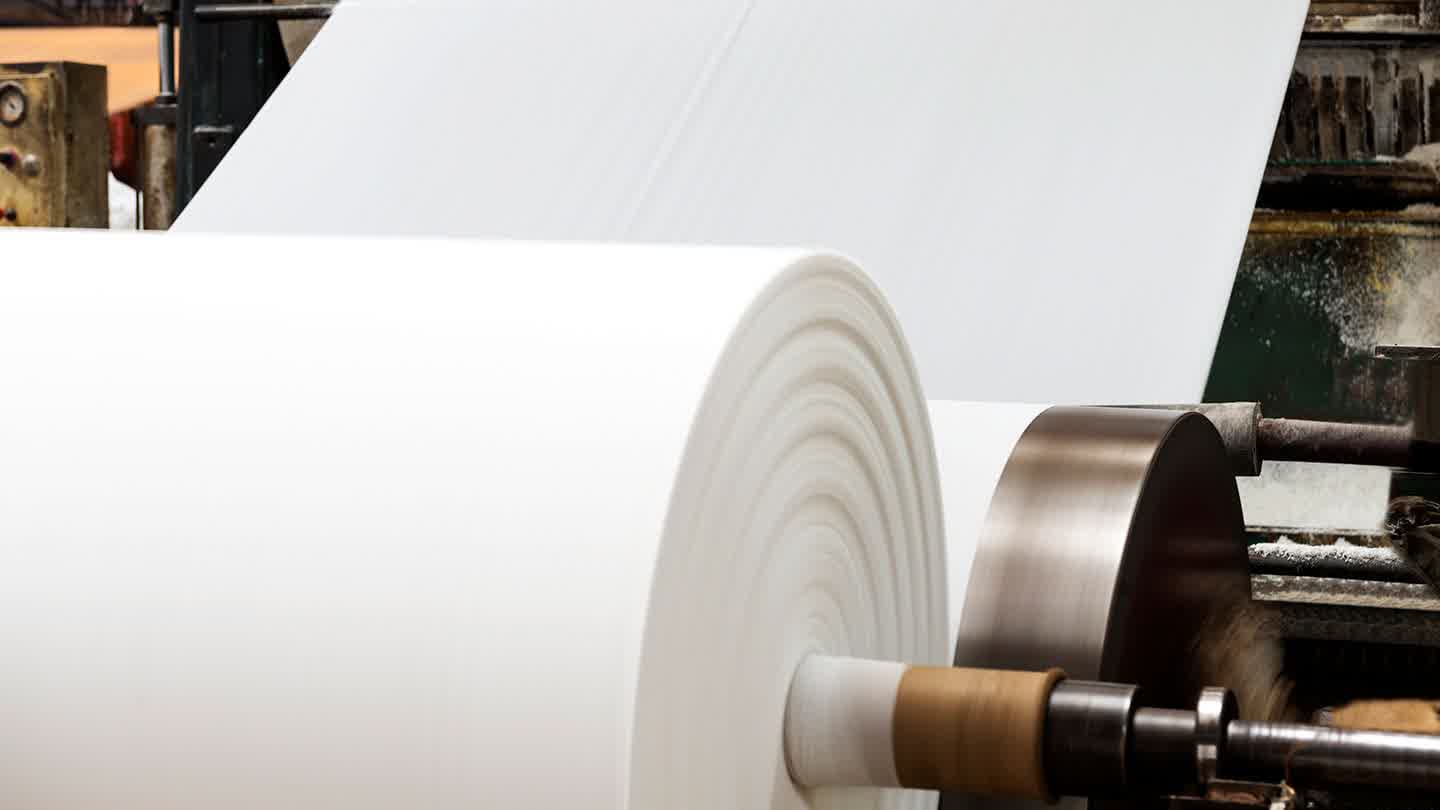
Steam-system behaviour directly affects how consistently paper and board machines can hit target output and quality across continuous drying duties.
Drainage, flash steam separation and return strategy are often central to both machine response and energy recovery, not just utility housekeeping.
The flash recovery source material positions packaged recovery systems as a way to preheat boiler feedwater, reduce utility costs and lower visible flash steam losses in suitable applications.
Use this route when machine performance and energy efficiency depend on stronger drainage, return-line design or flash steam management.
Learn about condensate recoveryFollow this route when the site needs a wider assessment across steam generation, distribution, drying sections and heat-recovery opportunities.
Explore audit servicesReview the technical guidance when unstable steam condition or poor heat transfer is part of the paper-machine performance problem.
Read about steam qualityPaper-machine research often sits between product-quality issues, thermal performance and wider utility efficiency.
Start with the Spirax Sarco overview when you need broader context on the steam-specialist engineering capability behind paper and board process support.
Move into products when the project is narrowing toward heat transfer, control valves, steam traps or other steam-system hardware.
Use services when the next step is an audit, technical review or wider steam-system improvement programme across the machine and utility plant.
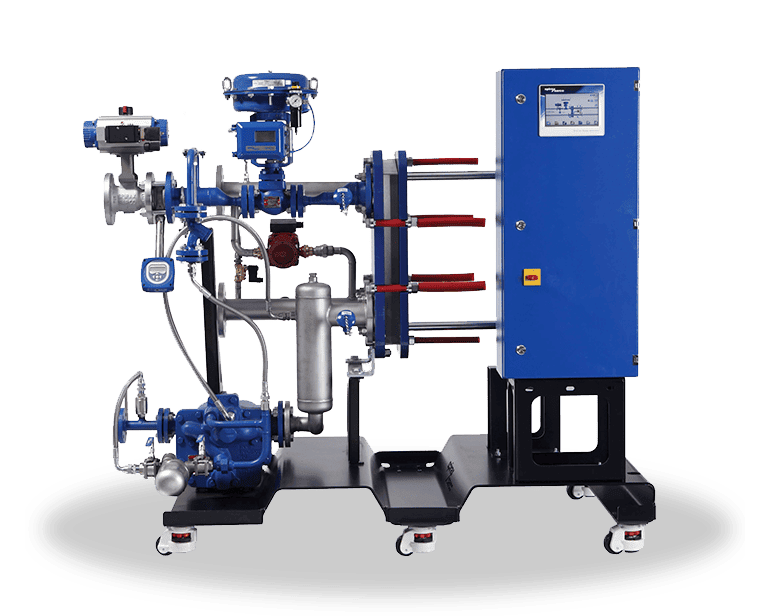
A packaged heat-transfer solution for supporting hot-water or related process duties where secondary heating needs to be delivered efficiently.
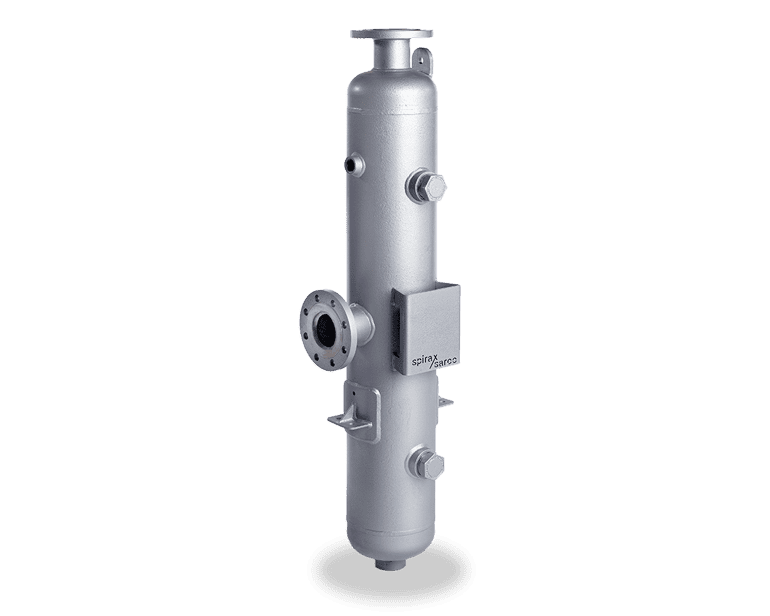
A flash vessel used where flash steam separation and heat-value recovery are part of the condensate handling strategy.
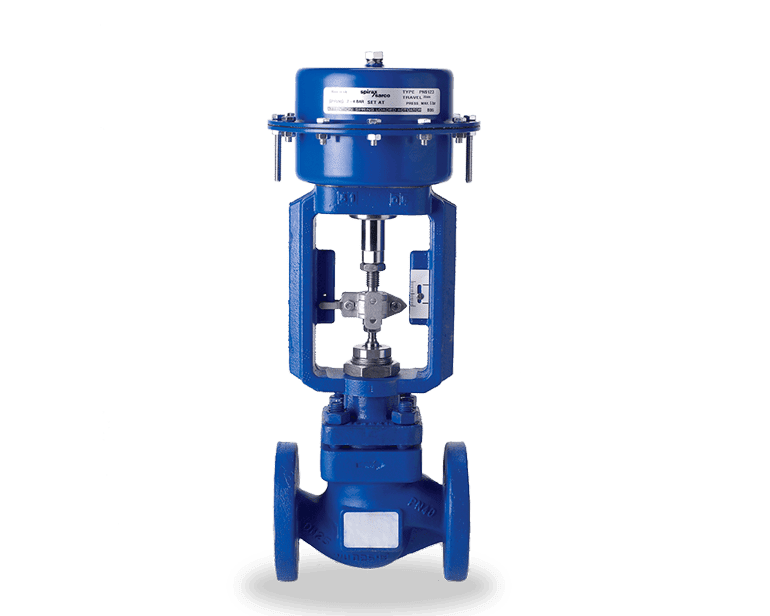
A configurable general-purpose control valve range for steam and related process duties that need stable modulation.
These questions usually appear when paper and board producers move from process symptoms into steam-system diagnosis.
Because the drying section only performs as well as the steam and condensate conditions supporting it. If steam arrives wet or condensate is not cleared effectively, heat transfer becomes less stable and quality control becomes harder to maintain.
They often appear in drying sections, steam chests, hot plates and other large heat-transfer areas where condensate has to move away cleanly. Related source material for corrugated board production points to heated cylinders, steam sprays and hot plates as areas where steam condition and condensate handling affect speed, quality and efficiency.
No. Many mills can unlock worthwhile gains by improving steam balance, control coordination and drainage on existing assets before considering larger capital replacement.
Because flash steam and returned condensate still carry recoverable heat value. The source material for Spirax FREME presents flash steam and condensate heat recovery as a way to preheat boiler feedwater, reduce utility costs and lower visible flash steam losses in industries including pulp and paper.