
Condensate recovery systems
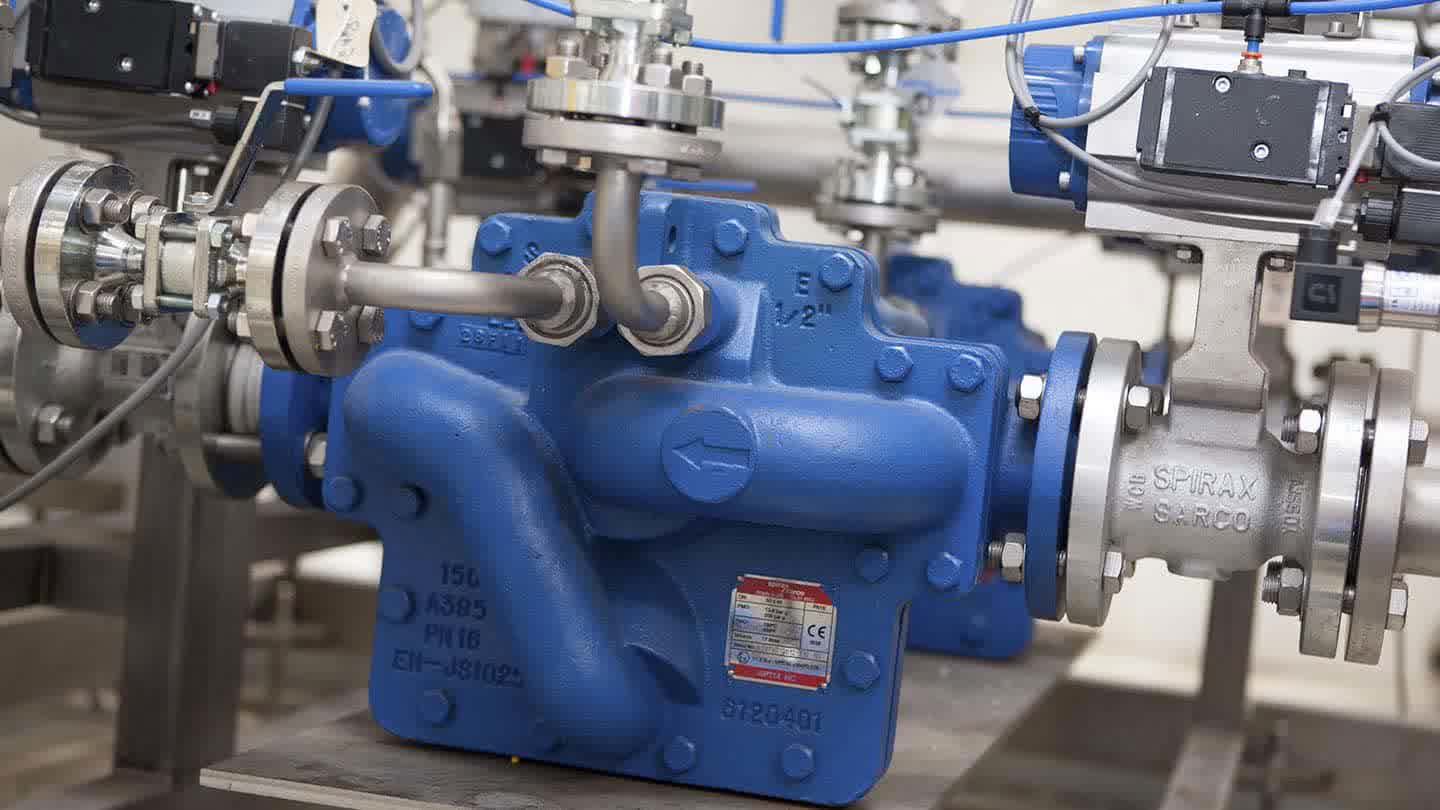
Condensate recovery systems help industrial sites return hot condensate to the boiler house instead of losing heat, treated water and flash-steam value at the point of discharge.
Spirax Sarco condensate recovery equipment on this route covers the main decision between mechanical condensate pumps, pump traps and electrical condensate pumps, so users can match the recovery method to condensate load, pressure conditions and return-system layout.
In most projects, the key question is simple: can condensate still drain through a standard trap, or do stalled conditions, backpressure or vacuum now require active pumping? This page is structured to answer that question quickly and route you into the right recovery path.
Overview
What is condensate recovery? It is the controlled return of hot condensate from steam-using plant back toward the boiler house so its retained heat and treated water value can be reused rather than discharged as waste. Why does it matter? Recovered condensate reduces the need for fresh make-up water, lowers the heating duty required in the boiler house and helps improve total steam plant efficiency, especially where condensate remains hot and relatively clean. When do you need active pumping? Standard trap drainage becomes unreliable when differential pressure collapses, downstream backpressure rises or vacuum conditions develop. In these situations, condensate can back up into the plant, causing poor heat transfer, unstable control, corrosion, noise and waterhammer risk. How do you choose between mechanical and electrical condensate pumps? Mechanical condensate pumps and pump traps are especially useful where hot condensate, hazardous areas, stalled conditions or difficult installation points make electric pumping less attractive. Electrical condensate pumps are more often selected for larger-volume return duties from receivers or collection points where a more conventional pumped-return arrangement is suitable. What else should be considered? Good condensate recovery depends on the wider system arrangement, including receiver sizing, return-line pressure, motive medium, feedtank integration, flash steam handling and how the recovered condensate will be reused in the boiler house.
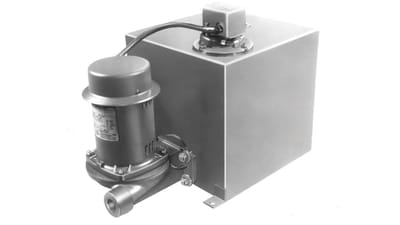
Electrical condensate pumps
Electrical condensate pumps are designed to recover larger condensate volumes from receivers or collection systems, typically for boiler feedwater return or process feedwater duties.
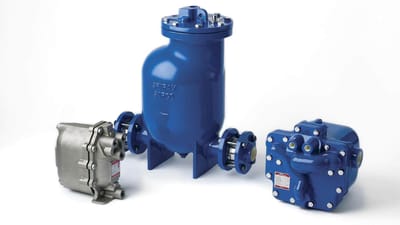
Mechanical condensate pumps and pump traps
Mechanical condensate pumps and automatic pump traps recover condensate reliably even when differential pressure collapses, backpressure rises or vacuum conditions develop.
How to choose the right condensate recovery route
Condensate recovery selection becomes easier when the project starts with operating condition rather than pump type alone. The main decision is whether the condensate can still discharge by trap action, or whether stalled conditions and return-line pressure now require a pump-based solution.
| Recovery route | Best fit when | Main selection priority | Next route |
|---|---|---|---|
| Mechanical condensate pumps and pump traps | Differential pressure collapses, backpressure rises or vacuum conditions stop normal trap drainage | Reliable drainage without electric motors, especially with very hot condensate or difficult installations | Browse mechanical condensate pumps |
| Electrical condensate pumps | Larger condensate volumes must be returned from receivers or collection systems | Higher-volume pumped return for boiler or process feedwater reuse | Browse electrical condensate pumps |
| Standard steam traps | Normal differential pressure is still available and active pumping is not required | Efficient condensate discharge without adding pump complexity | Browse steam traps |
Continue your condensate recovery project with Spirax Sarco
Condensate recovery equipment is rarely a standalone decision. The real value depends on how the recovered condensate is drained, reused and integrated into the wider steam and boiler house arrangement.
Compare trap drainage with pump-trap duties
Use steam trap routes when the duty still has enough differential pressure for normal condensate discharge and the main question is trap-family selection rather than active pumping.
Extend condensate recovery into the boiler house
Move into boiler controls and feedwater hardware when recovered condensate must be integrated into the wider boiler house recovery, storage and conditioning arrangement.
Turn condensate recovery into optimisation work
Go to service routes when the next step is site assessment, optimisation planning or wider support around energy efficiency and steam system performance.