Duty-led specification
OEM steam solutions should be selected around the machine duty, target market and customer outcome, not around a familiar component list.


Answer first
OEM projects often need support well beyond component selection. Spirax Sarco helps equipment builders align steam-system design, regulatory needs, documentation, product configuration and lifecycle support with the machine and the end-user market.
OEM equipment has to do more than work on a schematic. The steam-side design needs to fit the machine envelope, the control concept, the target industry, the regulatory environment and the service conditions the end user will actually face.
Spirax Sarco supports OEMs that need practical engineering input during design, specification, supply and follow-on service. The source material highlights application support, configurable product choices, certification-aware delivery and technical resources that help machine builders take equipment from concept into repeatable field performance.
OEM steam solutions should be selected around the machine duty, target market and customer outcome, not around a familiar component list.
The source material emphasizes support for local and global requirements, with standards and management-system references such as CRN, IBR, GOST, ASME, ASME BPE and ATEX / IECEx.
The source material highlights lifecycle support, technical documents, steam tools and access to more than 2,500 3D CAD models in formats such as DWG, SAT and STEP.
Use the product routes when the machine design is already narrowing toward specific control, clean steam, heat transfer or steam trap hardware.
Explore productsReview Spirax Sarco background when supplier capability, international support or engineering focus matters to the OEM selection process.
Read the about pageLook at training when machine builders or end users need stronger steam knowledge alongside equipment delivery.
See training optionsOEM research often moves from supplier capability into detailed steam-duty support and product-family selection.
Start with the Spirax Sarco overview when you need confidence in the wider engineering partner, manufacturing footprint and steam-specialist focus behind the OEM offer.
Move into product families when the equipment design is becoming more specific around control, clean steam, heat transfer or condensate handling hardware.
Use services and training when specification support, knowledge transfer or wider system understanding matters alongside the hardware choice.
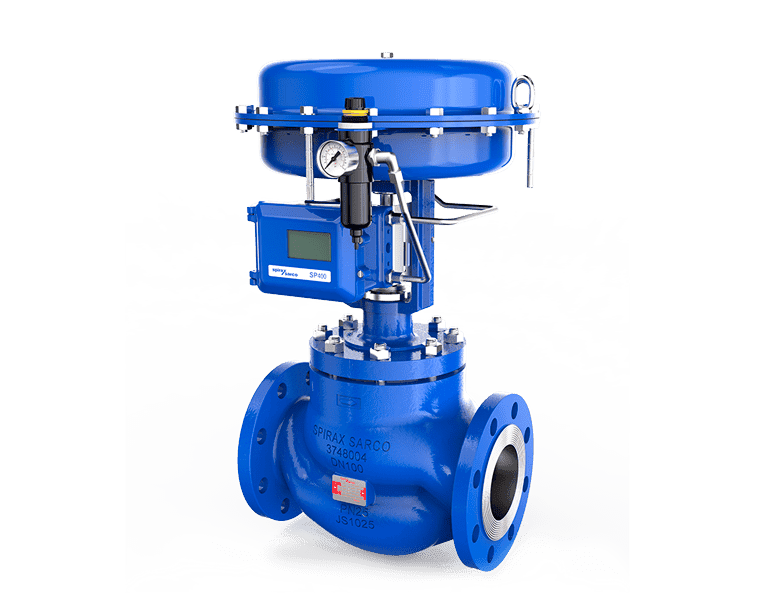
Control solutions for pressure, temperature and wider system duties, from straightforward self-acting arrangements through to more configurable valve packages that can be integrated into OEM equipment designs.
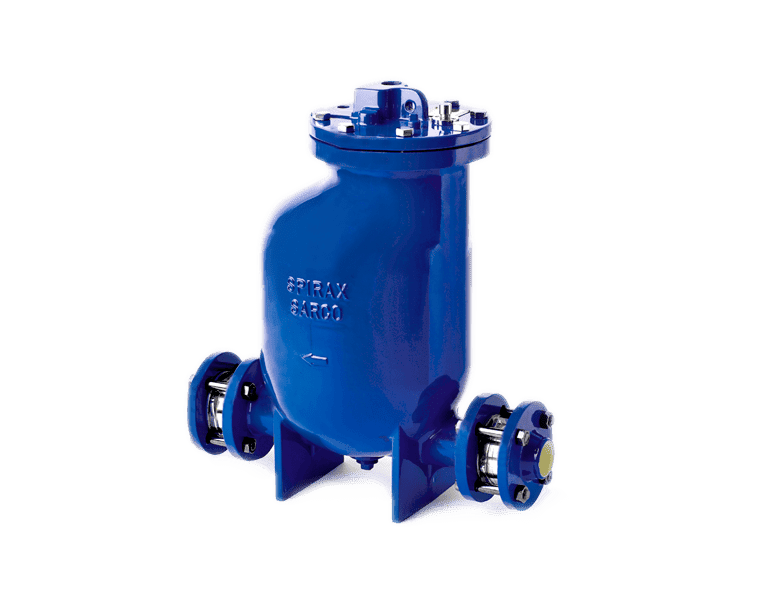
Condensate recovery hardware for machines and packages where drainage, stall prevention or condensate return are part of the design challenge and need to fit the wider equipment layout.
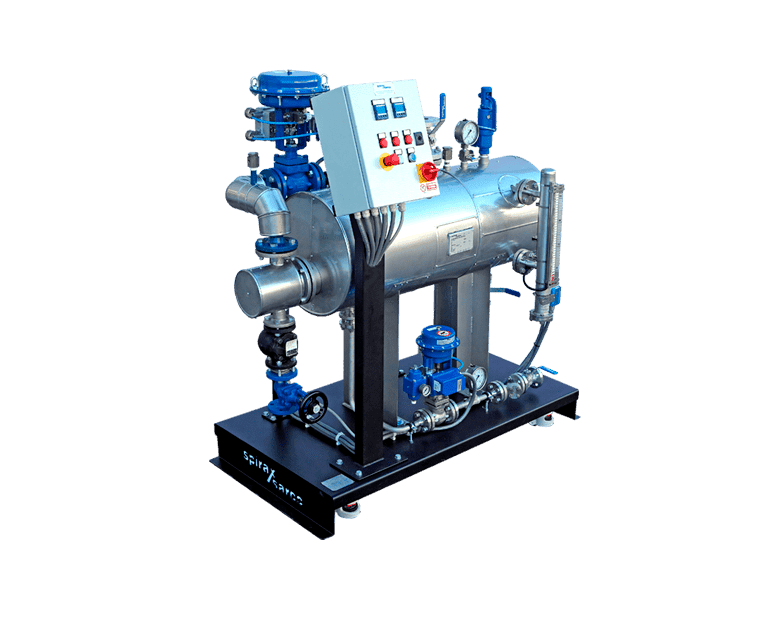
Heat-transfer and clean steam generation routes for OEM packages that need hot-water performance or higher-integrity steam supply in sectors such as food, pharmaceutical or sterilisation-related equipment.
OEM enquiries tend to move quickly from concept support into component-level detail, especially when the equipment will be exported or adapted for multiple industries.
OEMs often need support across pressure control, heat transfer, condensate handling, hygienic design, materials, certification requirements and how those choices affect installation, commissioning and long-term service.
Because a steam component that works in principle may still be the wrong choice once machine layout, utility limits, control philosophy, maintenance access, local regulations and end-user expectations are considered together.
Yes. If the machine serves hygienic or higher-purity processes, the design may need clean-service valves, sanitary traps or other higher-integrity components instead of standard industrial hardware. The source material also points to application areas such as SIP/CIP modules, WFI machines, bioreactors, autoclaves and sterilisers.
The source material describes support from design through supply, commissioning and aftermarket service, plus access to technical resources such as CAD files, steam tools and product documentation. That matters when an OEM is building equipment for multiple markets or repeated installations.